
Roof waterproofing is easy to overlook until there is a stain on the ceiling or water dripping where it should not be. The good news is that most roofs give warning signs before the problem gets that far. If you know what to look for, you can deal with small waterproofing issues before they turn into expensive repairs.
Below are a few signs that your roof may need waterproofing, especially if your home has been through heavy rain, snow, high winds, or long periods of sun.
Water Is Pooling Instead Of Running Off
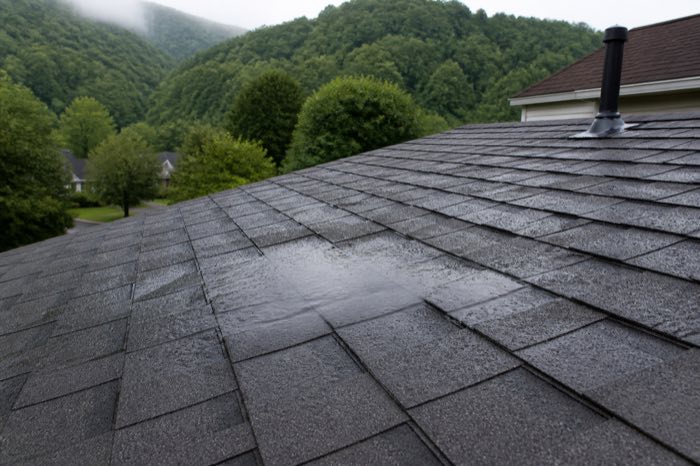
After a hard rain, water should move off the roof and into the gutters. If you notice water sitting in one area for a long time, that section may have poor drainage or a weak spot in the roof surface.
Pooling water is more common on flat roofs and low-slope roofs, but it can happen on pitched roofs too. Over time, standing water can wear down coatings, loosen seams, and make small openings worse. Waterproofing can help protect the roof surface, but the drainage problem should be checked as well.
You Can See Cracks, Gaps, Or Worn Areas
Small cracks may not look serious at first. However, water only needs a tiny opening to start working its way into the roofing system. Cracked sealant, gaps around roof edges, and worn patches near seams should never be ignored.
These areas are often the first places to fail because they deal with movement, heat, and changing weather. If the damage is still minor, a roofing contractor may be able to clean the area, repair it, and add a waterproof coating before the roof needs larger work.
There Are Stains Near Gutters Or Flashing
Flashing is used around vents, chimneys, skylights, walls, and other roof details. It helps guide water away from places where leaks are more likely to happen. When flashing starts to lift, crack, or rust, water can slip behind it.
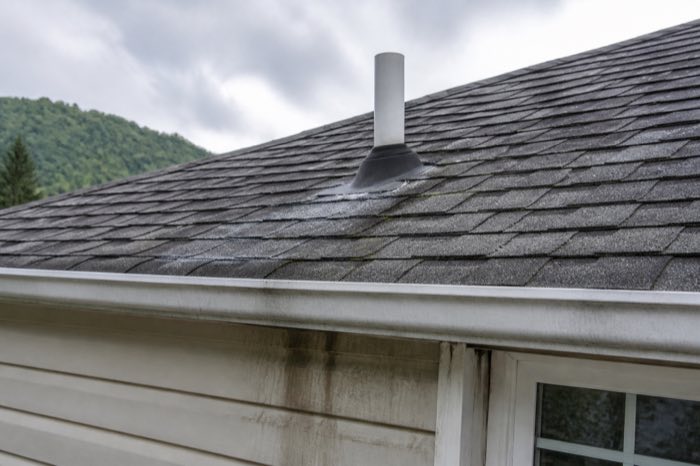
Dark stains near gutters, damp marks under the roof edge, or water trails on siding can all point to a waterproofing problem. It may also mean the gutters are clogged or pulling away from the roofline. Either way, it is worth having the area inspected before the next heavy rain.
The Roof Surface Looks Blistered Or Bubbled
Blisters and bubbles are signs that moisture or air may be trapped under part of the roof surface. This is common on some flat roofing materials and older coatings. Once the surface lifts, water can get underneath and spread.
It is not always safe to cut into or patch these areas without knowing what caused them. A professional can check whether the roof needs a small repair, a new coating, or a larger section replaced.
You Keep Finding Damp Spots Inside
Interior stains are one of the clearest signs that water is already getting through. Look around ceilings, upper walls, attic spaces, and areas near chimneys or vents. A small brown mark can come from a slow leak that has been building for weeks.
The leak may not be directly above the stain. Water can travel along framing, insulation, or roof decking before it shows up indoors. That is why guessing at the source can waste time. A roof inspection can trace the problem and show whether waterproofing is enough or whether repairs are needed first.
When Should You Waterproof A Roof?
The best time to waterproof a roof is before water damage becomes visible inside the home. If the roof is still in fair condition, waterproofing can add another layer of protection against rain, sun, and everyday wear.
It is especially useful when:
- The roof is aging but not ready for replacement.
- There are small cracks or seams that need protection.
- The roof has a flat or low-slope section.
- The home has had repeated leaks around the same areas.
- You want to reduce the chance of water damage during storm season.
Get The Roof Checked Before The Damage Spreads
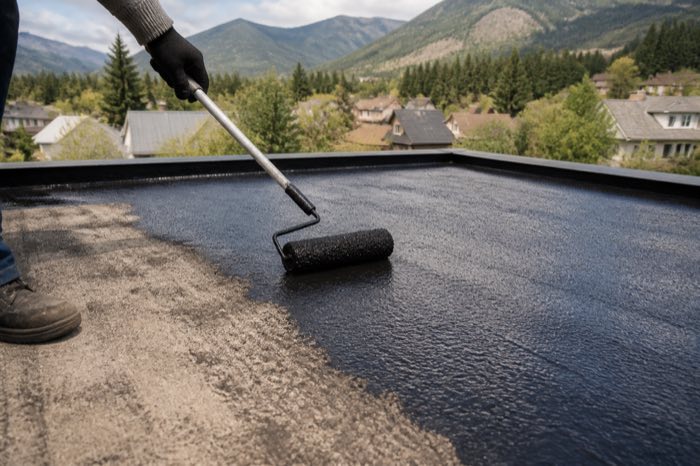
Roof waterproofing works best when the roof is properly cleaned, repaired, and prepared first. Applying a coating over dirt, loose material, or active damage will not give lasting results.
If you notice pooling water, worn flashing, cracks, stains, or damp spots indoors, it is better to deal with it sooner rather than later. A roofing professional can inspect the roof, explain what is causing the problem, and recommend the right waterproofing method for your home.
Taking care of it early can help protect the roof structure, prevent interior water damage, and save money in the long run.